
















Supreme Court Strikes Down Trump Tariffs — He Fires Back with 15% Global Tax in Hours
The Supreme Court ruled 6–3 that President Trump lacked emergency powers to impose sweeping tariffs, but within hours he invoked a separate law to slap a 15% global tariff — sending markets into chaos and triggering an international firestorm.
Supreme Court Deals Trump a Blow on Tariffs — He Hits Back Within the Hour
Washington moved fast on Monday. The Supreme Court of the United States ruled 6–3 that President Donald Trump had overstepped his constitutional authority when he imposed sweeping emergency tariffs on dozens of trading partners. By the time the ink dried on the ruling, Trump had already signed a new executive order.
Fifteen percent. Across the board. On virtually every country.
The speed of the counterpunch stunned legal analysts and foreign diplomats alike. Within 90 minutes of the SCOTUS decision, the White House invoked the International Emergency Economic Powers Act — a different statute — to justify the new levy. The administration argued, without irony, that the Court's ruling had itself created an economic emergency.
A 6–3 Ruling That Shook the Trade World
The majority opinion, written by Chief Justice John Roberts, was blunt. The emergency powers statute the president relied upon, the Court found, does not grant the executive branch unlimited authority to restructure global trade by decree. Three conservative justices — Clarence Thomas, Samuel Alito, and one Trump appointee — dissented sharply, warning that the ruling would hamper America's ability to respond quickly to economic threats.
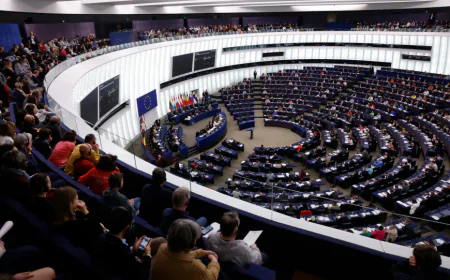
Trading partners reacted fast. The European Union announced it was pausing retaliatory tariff negotiations pending a review of the new 15% order. China's Ministry of Commerce issued a terse statement calling the move a blatant violation of WTO commitments. Canada's Prime Minister held an emergency cabinet session before sundown.
According to Dr. Lydia Chen, senior fellow in international trade law at the Brookings Institution, the administration found a creative workaround almost immediately. The question now is whether this second legal vehicle will survive its own constitutional challenge, and given how quickly this is moving, that challenge is coming.
Markets in Freefall, Businesses Sound the Alarm
The Dow Jones Industrial Average dropped 822 points on Monday. The S&P 500 fell 2.1%. The Nasdaq shed 2.6%. Import-dependent industries — retail, automotive, consumer electronics — saw their stocks punished hardest. The National Retail Federation called the 15% blanket tariff catastrophic for American consumers and warned of significant price increases within 60 days.
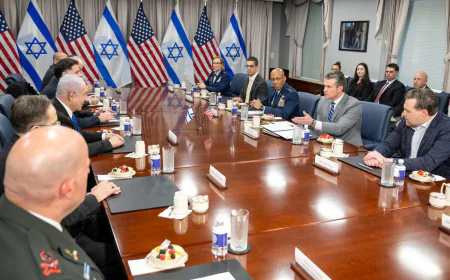
Treasury Secretary Scott Bessent defended the new order in a press briefing, insisting the president has both the legal authority and the economic justification. Bessent dismissed the market reaction as short-term noise.
Legal scholars are not so dismissive. At least three separate lawsuits were filed by Monday evening challenging the new tariff order under the same constitutional grounds that just prevailed at the Supreme Court. Federal courts in Washington DC and New York are expected to fast-track injunction hearings.
The episode reveals a deepening fault line in American governance: what happens when a president treats a judicial rebuke as merely an obstacle to route around. The answer, at least on February 24, 2026, appears to be: you sign a new order and dare the courts to move faster than you do.