


















Iran-US Nuclear Talks in Geneva End Without Deal, War Risk Grows
Iran and the United States concluded a third round of indirect nuclear talks in Geneva on February 27, 2026, without a breakthrough, raising fears of military conflict.

Iran-US Nuclear Negotiations Collapse in Geneva, Raising Strike Fears
Iran and the United States walked away from Geneva on Thursday, February 27, 2026, without a deal after a third round of indirect nuclear negotiations produced no breakthrough. The failure raises the stakes dramatically as Washington has assembled its largest military presence in the Middle East in decades, and President Donald Trump has left military action explicitly on the table.
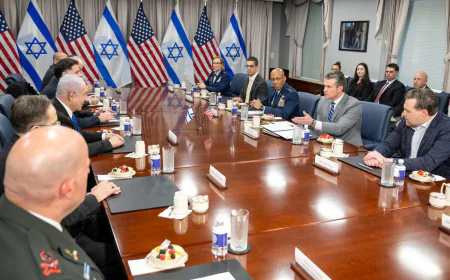
The talks, mediated by Oman, lasted several hours inside a Geneva hotel. US envoys Steve Witkoff and Jared Kushner sat on one side. Oman's Foreign Minister Badr bin Hamad al-Busaidi shuttled messages between the two delegations, which did not meet face to face. Both sides described the atmosphere as serious. Neither side called it productive enough.
Iran's Foreign Minister Abbas Araghchi emerged and told reporters that technical talks would continue next week in Vienna at the headquarters of the International Atomic Energy Agency. He said progress had been "good," but the gap between the two sides remains substantial.
What Each Side Demands
Washington wants Iran to halt uranium enrichment above 60 percent and allow unrestricted IAEA inspections. Iran has enriched uranium to 84 percent — just below weapons-grade — and regards enrichment as a sovereign right enshrined in the Nuclear Non-Proliferation Treaty.
Iran, for its part, demands full sanctions relief before making any concessions on enrichment levels. The Trump administration has offered only partial relief in exchange for partial rollbacks. That gap has defined every round of talks so far.
According to Dr. Trita Parsi, Executive Vice President of the Quincy Institute for Responsible Statecraft, "Both sides are bargaining with the shadow of military strikes looming overhead. That creates a strange dynamic — pressure to deal, but also pressure to appear tough for domestic audiences on both sides."
America's Military Buildup
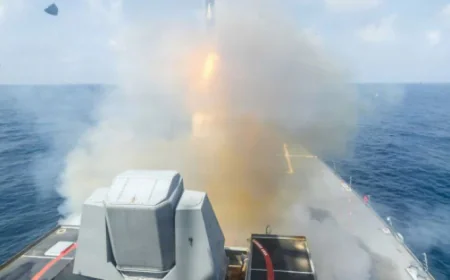
The backdrop to these talks is unmistakable. The Pentagon has deployed three carrier strike groups to the Persian Gulf and Eastern Mediterranean. B-52 bombers have been repositioned to Diego Garcia. The USS Gerald R. Ford, the Navy's most advanced carrier, arrived in the region in early February.
Trump has not hidden his intentions. At his State of the Union address on February 25, he warned Iran that the United States would "act with overwhelming force" if diplomacy failed. His national security advisor confirmed the following day that all options remain under active consideration.
The scale of the buildup has alarmed US allies in Europe. France, Germany, and Britain — the so-called E3 — issued a joint statement urging continued negotiations and warning that any military strike could set off a wider regional conflict involving Hezbollah, Houthi forces, and Iranian proxy networks across Iraq and Syria.
Iran's Domestic Pressures
Inside Iran, the government faces its own pressures. The economy has contracted sharply under sanctions, and protests have flared periodically across major cities. Supreme Leader Ali Khamenei faces a choice between a deal that his hardliner rivals would call capitulation and a confrontation that could end his regime entirely.
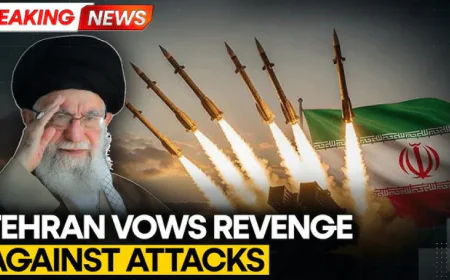
Iranian state media have been projecting confidence and defiance. State television broadcast footage of new domestically produced surface-to-air missile batteries being deployed around Tehran's nuclear facilities this week. The message to Washington was deliberate.
The Vienna technical talks scheduled for next week will test whether there is any real diplomatic space left to work with — or whether the region is sliding toward a confrontation that no one fully controls.